


In recent years, egames have transformed from niche hobbies into mainstream cultural phenomena. This surge in popularity is closely tied to advancements in technology, as well as shifts in societal norms toward entertainment and digital interaction.
The landscape of gaming has expanded to include a diverse range of genres and platforms. From virtual reality adventures to competitive esports tournaments, egames offer something for everyone. Developers are constantly pushing the boundaries of what's possible, creating immersive experiences that captivate players worldwide.
Notably, the role of egames in global culture is multifaceted. They serve as both entertainment and platforms for social interaction. Online gaming communities bring people together across borders, offering opportunities for teamwork and communication. Moreover, with the rise of streaming services, watching others play has become a popular pastime, blurring the lines between passive and active engagement.
Commentators and analysts often discuss the socio-economic impact of egames. They contribute significantly to the economy, generating revenue through game sales, in-game purchases, and sponsorships. The esports industry alone is projected to grow exponentially, attracting investments from traditional sports organizations and corporate sponsors.
As egames continue to integrate into everyday life, discussions about their influence on mental health and behavior persist. Critics argue certain games may lead to addiction or unhealthy behavior, while proponents highlight their potential to improve cognitive skills and foster resilience.
Reports also indicate an increasing number of educational institutions incorporating egaming into their curriculums. These initiatives aim to harness the benefits of gaming to enhance learning experiences, particularly in fields like STEM and the arts.
The dynamic nature of egames is reflected in the continuous updates and expansions developed by game creators. Players are never far from new content, ensuring that their experiences remain fresh and engaging. The evolution of egames is an ongoing process, driven by both technological innovation and user feedback.
Looking ahead, the future of egames appears bright. With continued advancements in technology such as AI and augmented reality, the potential for new and exciting developments in the gaming world seems limitless. As society further embraces digital life, egames will likely assume an even more prominent role in shaping modern culture.

Explore the current state of eGames in 2025, their evolution, and what's shaping the future of digital competitions.

How the eGames industry is transforming through technology and competition in 2025.

Exploring the sweeping changes in the e-games industry and their impact on players and the economy.

Exploring the transformative impact of eGames on technology and global culture in 2025.

An in-depth analysis of the growing impact of eGames on the global entertainment landscape.
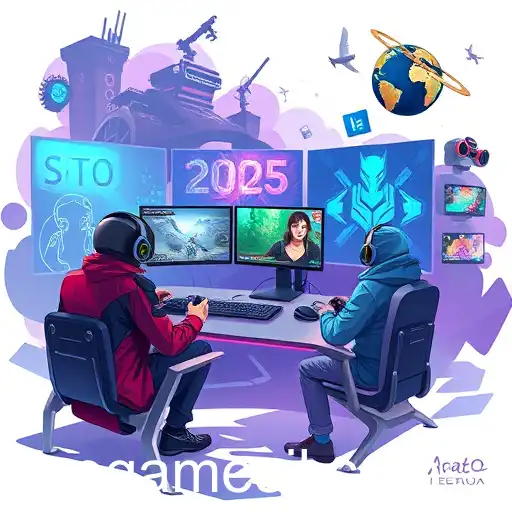
Explore the dynamic changes in the eGames industry in 2025, with insights on technology advancements, eSports growth, and future trends.
